Waco land has a mind of its own sometimes. A slope looks fine after a dry stretch, then one hard rain comes through, and the soil starts moving where it should not. Driveways crack. Yard edges wash out. Pads lose support. Water cuts little channels that become big headaches later.
Bestyett Earthmoving builds land-stabilization solutions that help property owners manage grade, control runoff, and protect usable space. Our work with retaining walls & erosion control in Waco, TX, focuses on practical construction, proper drainage, and long-term ground support. No fluff, no fancy talk. Just solid dirt work, wall building, and erosion control that fits the land in front of us.
A retaining wall needs to do more than hold back dirt. It has to manage weight, water, slope pressure, and changing ground conditions. Around Waco, clay soils, heavy rain, and uneven grades can put a lot of push behind a wall. That is why Bestyett Earthmoving starts with the land first. We look at the slope, drainage paths, soil movement, access points, and the purpose of the wall before equipment rolls in.
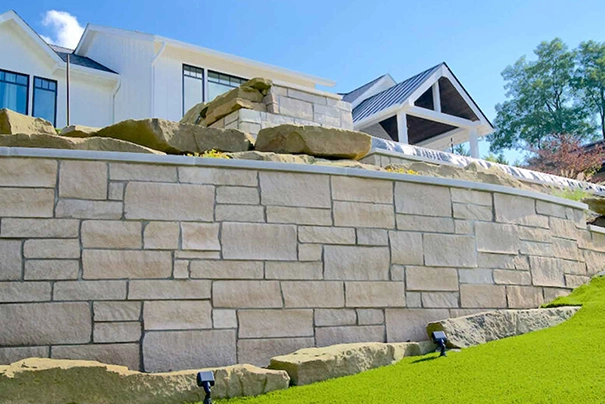
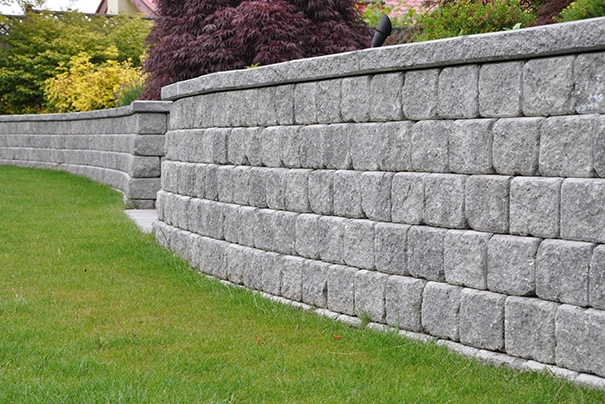
Some walls protect a driveway or building pad. Some create a flatter yard, support a road edge, or stop a bank from creeping downhill. The right build depends on height, load, soil type, and how water moves across the site. A wall without proper drainage behind it can fail early, even if the face looks strong. That is the part many property owners do not see until cracks, bulging, or washouts show up.
Bestyett Earthmoving builds retaining walls with attention to the base, backfill, compaction, drainage, and finish grade. That gives the structure a better shot at doing its job year after year. For retaining walls & erosion control in Waco, TX, the wall itself is only part of the answer. We also shape the surrounding ground so water does not keep attacking the same weak spot. It is dirt work with a plan, not just stacked material.
Erosion usually starts small. A thin rut across a driveway. A bare patch on a slope. A washed-out edge near a culvert. Then the next storm comes, and that little problem gets bigger. In Central Texas, fast rain can move loose soil quickly, especially on disturbed land, new construction sites, open lots, and sloped acreage. Bestyett Earthmoving helps property owners get ahead of that mess before it eats into usable ground.
Good erosion control starts by understanding where water comes from, where it wants to go, and what it damages along the way. We shape land, build support where needed, improve flow paths, and add stabilizing measures that reduce soil loss. The goal is simple: slow the water, guide it safely, and keep the ground where it belongs. Some jobs need grading and drainage corrections. Others need rock, swales, retaining walls, slope repair, or a mix of solutions.
Bestyett Earthmoving does not treat erosion like a surface-only problem. We look at how the whole site behaves during rain. That matters because one quick patch can move the problem ten feet away. Our approach to retaining walls & erosion control in Waco, TX helps protect land, improve access, and reduce repeat washouts. When water has a cleaner path and soil has better support, your property works better. Plain and simple.
We read the slope, soil, and runoff before building, so your project gets a practical fix that matches how your land actually behaves.
You get more than a wall face. We plan for water movement behind and around the structure to reduce pressure and future damage.
Our equipment and earthmoving experience help your job move efficiently, even on uneven lots, tight access areas, or rough rural property.
A retaining wall in Waco can cost a few thousand dollars for a small landscape wall and much more for taller structural walls, large slopes, poor access, or drainage-heavy sites. The biggest cost factors are wall height, length, material, excavation, backfill, drainage, and soil conditions. Bestyett Earthmoving needs to see the grade and water flow before giving a realistic price.
Yes. Most retaining walls need drainage behind them because trapped water adds pressure and can cause leaning, cracking, bulging, or failure. Proper backfill, drain rock, pipe, and outlet planning help water escape instead of pushing against the wall. In Waco’s clay-heavy soil areas, drainage is a big deal.
The best erosion control for a sloped yard depends on how steep the slope is and where runoff starts. Common solutions include regrading, swales, rock placement, retaining walls, slope stabilization, and drainage corrections. If water is cutting channels, the fix usually needs to redirect flow and protect exposed soil at the same time.
Yes. Erosion can wash out soil under driveway edges, gravel drives, concrete approaches, pads, and foundations. Once support soil moves, surfaces can crack, settle, or break apart. Early signs include ruts, exposed edges, standing water, sinking areas, and soil washing into low spots after rain.
You should repair erosion when you see ruts, slope washouts, exposed roots, leaning soil edges, sediment piles, or water cutting the same path after every storm. Waiting can make the repair larger and more expensive. Bestyett Earthmoving can inspect the affected area and recommend a land-stabilization plan before the next big rain makes it worse.