Bestyett Earthmoving builds practical access solutions for landowners who need to cross water, low spots, ditches, washouts, and seasonal creek beds without turning every rainstorm into a headache. Our work supports ranches, farms, private drives, rural homesites, hunting properties, and agricultural land around Waco and nearby Central Texas areas.
A good crossing has to do more than look solid on a dry day. It needs to handle water flow, vehicle weight, changing soil, livestock use, equipment traffic, and everyday access. That is where careful dirt work, drainage planning, and sturdy construction matter. We keep the process clear, grounded, and field-smart, so you know what is being built, why it matters, and how it helps your property function.
A creek crossing should match the land, the water behavior, and the way you actually use the property. Some sites need a low-water crossing for ranch trucks and tractors. Others need culverts, rock stabilization, headwalls, or a small bridge-style structure to keep access open during wetter months. Bestyett Earthmoving looks at the grade, bank shape, soil condition, and flow path before moving dirt, because rushing this kind of work can cause washouts, soft edges, and repeat repairs.
For bridge & creek crossing construction in Waco, TX, our goal is simple: create a dependable route that fits the property instead of forcing a one-size-fits-all build. We consider how often the crossing will be used, what type of vehicles will travel over it, and how water needs to move during heavy rain. Around Central Texas, dry creek beds can turn rowdy fast. A crossing should be ready for that, not surprised by it.
We also pay close attention to approach angles. A crossing can have a strong base and still feel rough if the entry and exit are too steep, narrow, or poorly packed. That is why our work often includes grading, compacting, and shaping the road on both sides. You get a crossing that feels useful, not just finished. It should carry trucks, trailers, tractors, feed deliveries, fencing crews, and daily property traffic with fewer headaches.
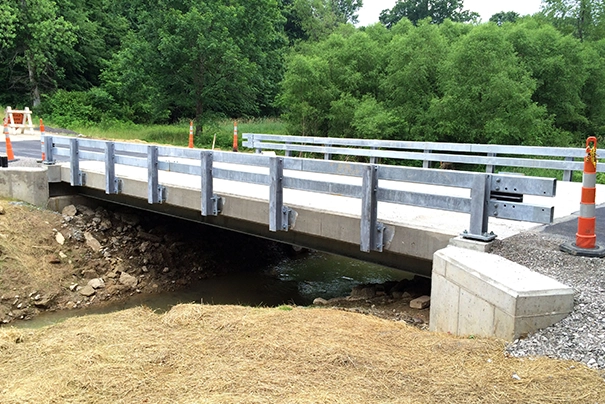
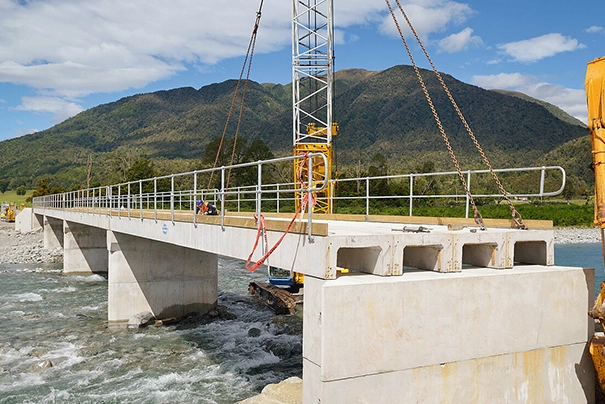
Small bridges are often the right answer when the channel is too deep, the banks are too defined, or the property owner needs cleaner access across a creek, drainage cut, or low area. Bestyett Earthmoving builds small bridges and access structures with practical use in mind. We focus on stable support, proper span planning, clean approaches, and drainage that keeps water from chewing away at the work underneath.
When planning bridge & creek crossing construction in Waco, TX, we start with how the property functions. Is this crossing for a pickup and trailer? Will tractors use it? Do livestock move through the area? Does water sit, rush, or cut sharply after storms? Those answers guide the build. A ranch crossing that only handles light traffic has different needs than one used by loaded hay trailers or construction equipment. No fancy talk needed. The structure has to carry the load and hold up.
A small bridge also needs clean transitions. If the road drops hard into the crossing or the exit climbs too sharply, the structure becomes annoying to use. We shape and build the surrounding access so trucks, trailers, and equipment can move through with confidence. Good bridge work is part structure, part dirt work, and part drainage planning. Bestyett Earthmoving brings those pieces together so the finished crossing feels natural on your land.
We study how your property drains, moves, and gets used, so your crossing supports daily access without creating new trouble after rain.
You get clear guidance on crossing type, approach grade, rock, culverts, and access needs, so the finished work fits your budget and use.
We focus on reliable entry for trucks, trailers, tractors, livestock crews, and service vehicles, helping your land stay usable through changing conditions.
The best creek crossing depends on water flow, bank height, soil, and vehicle use. For shallow seasonal creeks, a low-water rock or concrete-style crossing may work well. For deeper channels or steady drainage, culverts or a small bridge may provide better access.
You need culverts when water must pass under the crossing instead of over it. Culverts help reduce washouts, protect the road base, and keep access usable after rain. The right size depends on creek width, drainage volume, and storm flow.
Cost depends on crossing length, site access, material needs, culvert size, bridge span, grading, rock, and drainage work. A simple rural crossing usually costs less than a small bridge because bridges require more support, planning, and structural material.
Yes, a creek crossing can handle tractors and heavy ranch equipment when it is built for the expected load. The base, width, compaction, culvert placement, and approach grade all need to match the equipment being used.
A basic creek crossing may take a few days once materials and site access are ready. Larger culvert crossings or small bridges can take longer because they require more grading, support work, drainage planning, and material placement.