
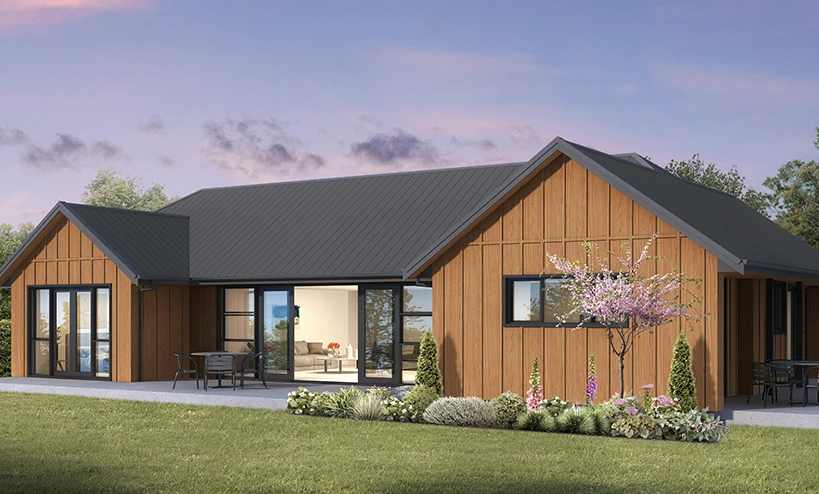
If you want a yard that feels easy to use, start with your paths. A good path helps people walk where they want. It also keeps shoes cleaner on wet days. So, you save time on mowing and patching grass. Before you buy stone or concrete, plan the layout first. Then you avoid changes that cost more later. You also make the space safer for kids and guests. Most of all, a clear path makes daily life smoother. You do not need a big plan to start. Instead, you need simple steps and a tape measure. In this guide, I will walk you through those steps. I will also share facts that builders and agents often use.
Map Foot Traffic And List Your Key Path Routes
First, pay attention to how people walk today. For a week, notice where feet land most. Then write down the routes that matter. This step sounds simple, yet it saves money later. Because when a path matches real use, people stay on it. Also, you stop seeing worn “shortcuts” in the grass. Start with three route types.
- Main routes go from the driveway to the front door.
- Daily routes go to patios, grills, and play areas.
- Service routes go to bins, side gates, and sheds.
Next, rank each route by how often it gets used. This order helps you decide where to spend more.
Quick tip: take a photo of muddy tracks after rain. Those tracks show the true walking line. For resale, this planning also helps. A 2023 report said 92% of Realtors tell sellers to improve curb appeal before listing. A clear front path supports that advice.
Test A Trial House Path Before You Invest
Next, test your idea on the ground. This step feels basic, but it prevents wrong curves. Use a garden hose, rope, or marking paint. Then walk the line from each starting point. Also, carry a bag or pull a bin once. That way, you check real space needs. If you keep stepping off the edge, widen the line. If a curve feels tight, open it up.
Keep it safe:
You should also check sight lines at corners. For example, you want to see a step before you reach it. Now measure your trial line and write down the total length. This number helps you price materials. Then plan for the “mess zone” during work. You may need a place for soil piles. You may also need a route for a wheelbarrow.
Simple layout checklist:
- Start and end points for each route
- Total length of each path
- Gate widths and door swings
- Spots where water sits after rain
Choose Path Widths For Comfort And Easy Access
After you set the line, choose a width that fits the route. Many builders use 36 inches for a single-person walkway. Then the path feels comfortable for most adults. However, two people need more space. So, many homes use 48 inches near the front door. Also, bins and strollers roll more easily on 48 inches. Next, think about tight spots. Gates often set the limit. If your gate is 36 inches, match the path or widen the gate. Then you avoid a pinch point. Turns need more room, too. So, widen the path a little at corners. If you plan steps, keep a level landing at the top. Then people can pause and turn safely.
- Plan for guests:
If you host often, widen the main route. People like to walk side by side. Also, a wider path helps older guests feel steady. Even if you pick one width, stay consistent. Consistent widths look cleaner in photos and in person.
Set Path Slopes To Move Water Away Safely
Now plan for water, because water ruins paths fast. First, look at how rain moves across your yard. Then keep the path out of low spots when you can. If you must cross a low spot, raise the base and add drainage. Next, set a small tilt across the path. This tilt pushes water off the surface. Many sidewalk guides limit the cross slope to 2% for safe walking. That is a small drop of about 1/4 inch per foot. Also, keep the long slope gentle when possible. A common guide for easy walking is near 5% or less. If the slope gets steeper, add steps or a switchback. Then people do not feel like they are climbing.
- Watch the downspouts
Aim the roof downspouts away from the path. Also, do not send sprinkler overspray onto it. Wet spots can grow algae, which can make them slippery. So, drainage planning keeps the path safer and cleaner.
Choose Path Materials That Handle Weather Well
Then choose a surface that fits your home and routine. Concrete feels smooth and sweeps fast. However, it can crack if the base sinks. Pavers handle small ground movement better, since joints can shift. Gravel drains well, yet it can scatter without edging. Compacted stone fines can look neat, but they need good drainage. So, match the material to the route and your upkeep time.
- Think like a buyer
Outdoor care also links to resale. The NAR outdoor report found strong cost recovery for basic lawn care and landscape upkeep. Standard lawn care had a 217% cost recovery in that report. So, buyers often value clean, simple outdoor spaces. A tidy path supports that same look. Next, check slip risk. Smooth stone can get slick when wet.
So, use texture on slopes and near pools. Also, think about heat in sunny spots. Some dark pavers can feel hot under bare feet.
Quick material match:
- Front entry: pavers or concrete
- Side gate: gravel with strong edging
- Garden route: stepping stones with mulch gaps
- Patio link: match the patio surface
Build A Stable Path Base That Stays Level
After you pick materials, focus on the base. A good base keeps the top layer from sinking. First, dig out the grass and soft soil. Then remove roots that can rot later. Next, set your depth based on the surface. Many walkways need several inches of compacted crushed stone. Then they need a thin top layer of sand or fines. Also, some soils need fabric under the stone. This fabric helps keep soil from mixing into the base. Next, add base stone in thin layers. Then compact each layer with a plate compactor. This step matters more than most people think. If you skip it, the path can dip within months.
Edges hold everything in place:
Install the edge restraint before you finish the top. Edges stop pavers from drifting. They also keep gravel from spreading. Finally, check the slope again as you build. That way, you do not trap water on the surface.
Add Path Edging, Lighting, And Final Touches
Finally, finish the path so it works day and night. First, keep the edges clear of plants. Then people can see the walking line. Also, trimming plants helps the path dry faster after rain. Next, add simple lighting on main routes. Low lights near steps and turns help prevent trips. Then people feel safer arriving at night. You can space small path lights every 8 to 12 feet. That spacing often gives steady guidance without glare. Also, fix transitions where surfaces meet. A raised lip can trip feet, so keep joints flush.
Keep the path easy to care for: Plan how you will clean it, concrete needs sweeping and occasional washing. Pavers may need joint sand refreshed over time. Gravel needs raking and top-ups. So, choose a finish you can keep up with. If you want help with the hard prep work, call a pro. Bestyett Earthmoving offers Excavation Services that support path projects. They can handle grading, base prep, and haul-off. Then you start with a clean, solid base.
Finishing checks:
- Even edges with no sharp trip points
- Lights near steps and corners
- Water runs off, not across the path
- Surface feels steady underfoot
Next Steps To Finish Your House Path Layout
A great house path starts with how you live each day. So, watch your routes and test the layout first. Then set the right width, because comfort matters. Also, plan slope and drainage, since water causes most failures. Next, choose a surface that fits your weather and upkeep time. After that, build a firm base and lock in the edges. Finally, add lighting and clean transitions for safety. If you want the groundwork done right, call Bestyett Earthmoving today. Ask for a quote on path grading and base prep, since Bestyett Earthmoving offers Excavation Services you can count on.